
The 10 Levels of Abacus Training Explained for 2026
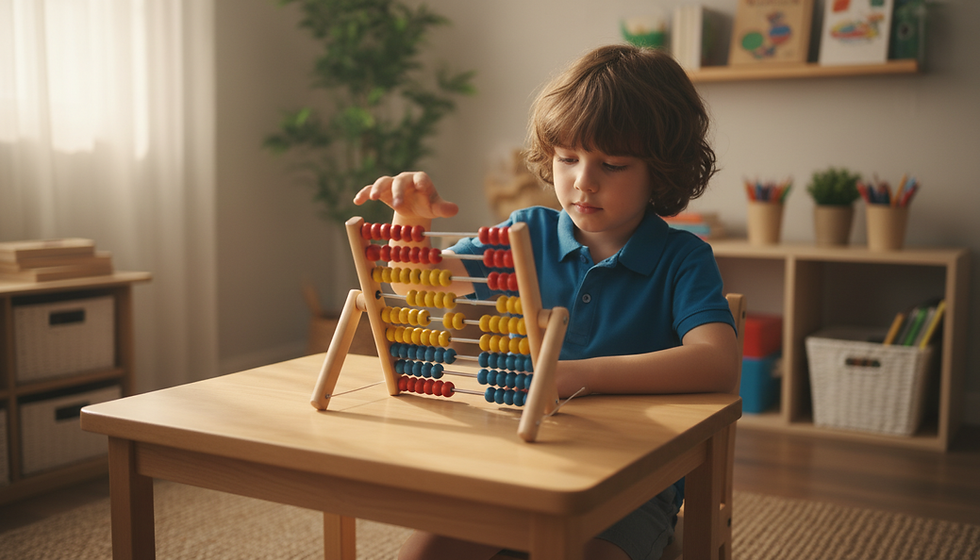
A child who can “see” numbers often stops guessing and starts calculating with confidence. That is the main promise of abacus learning: it turns maths from an abstract subject into something children can touch, move, picture, and eventually solve mentally.
Abacus Training is usually taught in levels. Each level builds a new layer of skill, from simple bead movement to fast mental arithmetic without the physical tool. The details vary by provider, but most good programmes follow a similar path: understand the abacus, master accuracy, build speed, then move to mental calculation.
This 2026 roadmap explains the 10 levels in clear terms, including what children learn, what progress looks like, and how parents can tell whether a level has been properly understood before moving on.

How abacus levels work
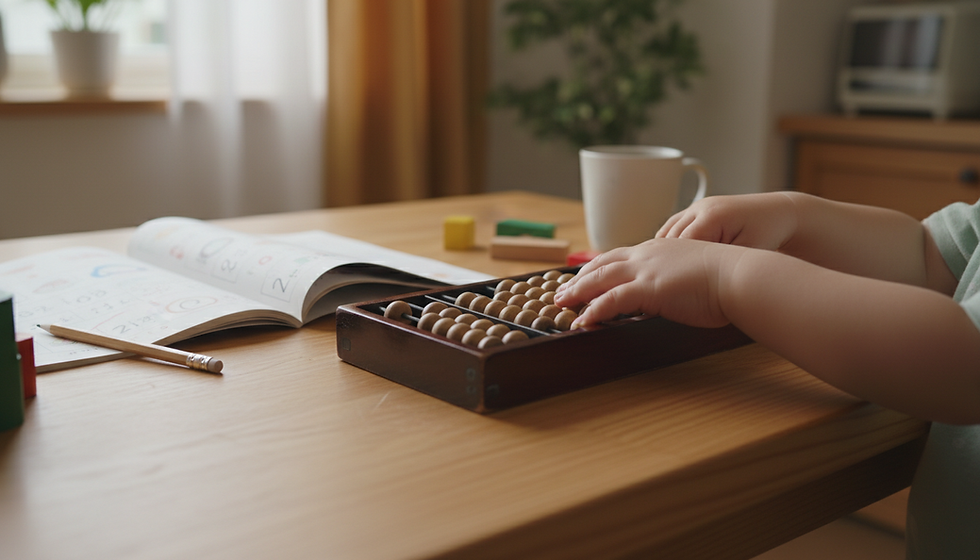
Most abacus programmes start with the physical abacus and slowly shift towards mental imagery. At first, children move beads with their fingers. Later, they learn to picture those same beads in their mind. This is often called the mental abacus stage.
A level is not just a list of sums. It usually includes:
Number recognition and place value
Correct finger technique
Addition and subtraction methods
Multiplication and division
Timed practice
Mental calculation
Listening calculation, sometimes called dictation sums
Word problems and school-style maths links
The best programmes do not rush. A child may understand a method quickly but still need time to build automatic recall and accuracy. Moving up too soon can create weak foundations, especially when carrying, borrowing, multiplication, and division appear.
For anyone comparing Abacus Classes for kids in UK, mental maths class, number sence, UK primary school support, the key question is not how fast the levels are completed. The better question is whether each level improves both calculation and confidence.
The 10-level roadmap at a glance for Abacus Training
The table below gives a practical overview. Age ranges are not fixed, because children start at different points and learn at different speeds.
Level | Main focus | What progress looks like |
1 | Abacus basics and single-digit numbers | The child can set, read, and clear numbers correctly |
2 | Simple addition and subtraction | The child solves short sums with steady bead movement |
3 | Complements of 5 and 10 | The child handles early carrying and borrowing |
4 | Two-digit numbers and place value | The child works across tens and units with control |
5 | Longer addition and subtraction | The child improves speed without losing accuracy |
6 | Introduction to multiplication | The child understands repeated groups and times tables links |
7 | Introduction to division | The child shares and groups numbers using structured steps |
8 | Mixed operations | The child chooses the right method for varied questions |
9 | Mental abacus fluency | The child calculates by visualising beads |
10 | Advanced speed and exam readiness | The child solves harder sums quickly and calmly |
Level 1 teaches the language of the abacus
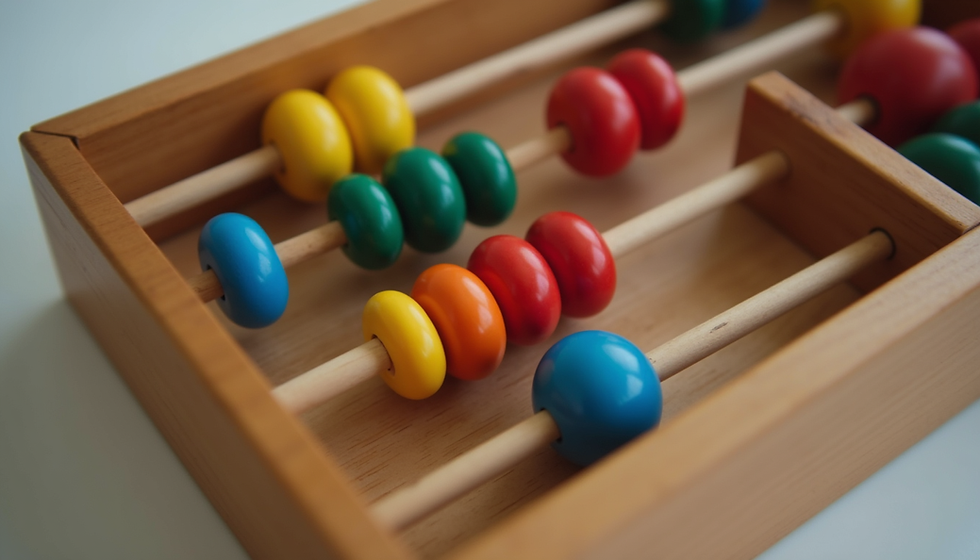
Level 1 is all about comfort. Children learn what each bead means, how to hold the abacus steady, and how to move beads cleanly.
They usually begin with numbers from 1 to 9, then build towards two-digit numbers. The aim is not speed. The aim is correct number sense.
A strong Level 1 child can:
Show a number on the abacus when asked
Read a number already set on the abacus
Clear the abacus before starting a new sum
Use the correct fingers for moving beads
Understand that the abacus uses place value
This matters because many early maths mistakes come from weak place value. A child may know that 23 comes after 22, but not fully understand that 23 means two tens and three ones. The abacus makes that visible.
Level 2 builds simple addition and subtraction
Level 2 introduces short addition and subtraction sums. Children learn to add and take away by moving beads directly.
For example, if 3 is shown and the child needs to add 2, they move two more lower beads. If 5 is shown and they need to subtract 1, they move one bead away.
At this stage, children should say less and observe more. Counting out loud can help at the start, but the goal is to recognise bead patterns without counting every bead one by one.
Good signs at Level 2 include:
Fewer finger slips
Less need to recount from the beginning
Better understanding of “more” and “less”
A calm rhythm when solving simple sums

Level 3 introduces the first real leap
Level 3 is often where abacus learning starts to feel more serious. Children meet complements, especially combinations that make 5 and 10.
This is where methods such as “add 4 by adding 5 and taking away 1” may appear. It can feel odd at first, but it trains children to see numbers as flexible parts.
For example:
4 is close to 5
9 is close to 10
6 can be seen as 5 and 1
8 can be seen as 10 minus 2
These ideas support mental maths far beyond abacus lessons. They connect closely with number bonds taught in UK primary school maths.
Level 3 should not be rushed. If complements are weak, later carrying and borrowing will feel confusing.
Level 4 strengthens two-digit place value
At Level 4, children work more confidently with tens and units. They learn to move between columns and understand that each column has a different value.
This level often includes more two-digit addition and subtraction. Children may calculate sums such as 24 + 13 or 56 - 21 using the abacus.
The main challenge is keeping the columns clear. A child must know whether they are working in the ones column, tens column, or both. This is a useful bridge to written column methods used in school.
By the end of Level 4, the physical abacus should feel familiar rather than new. Mistakes may still happen, but the child should be able to spot many of them.
Level 5 builds stamina and accuracy
Level 5 usually increases the length of sums. Instead of one short calculation, children may solve a chain of additions and subtractions.
This develops calculation stamina. It also teaches children not to panic when a sum has several steps.
A typical practice task may include several numbers given one after another. The child keeps updating the abacus until the final answer appears.
The skill here is not only maths. It is also attention.
Children learn to:
Listen carefully
Track each step
Avoid rushing
Check whether the answer feels reasonable
Recover calmly after a mistake
This level is a good point to introduce timed practice in a gentle way. The timer should support focus, not create fear.
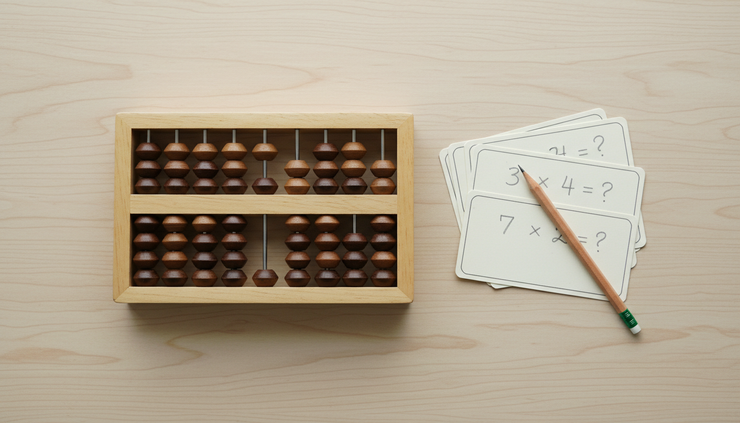
Level 6 introduces multiplication
Multiplication on the abacus links repeated addition with place value. Children begin to see times tables as patterns rather than isolated facts.
At first, multiplication should stay simple. The child needs to understand what is happening before working faster. For example, 4 × 3 means four groups of three, or three groups of four, depending on how the method is taught.
A strong Level 6 programme connects abacus work with school maths. This helps children understand that multiplication is not a separate trick. It is another way to organise numbers.
At this level, times tables practice becomes more useful. Children who know their tables well can focus on method and place value rather than stopping at every step to recall facts.
Level 7 introduces division
Division can be the most demanding new topic because it asks children to think about sharing, grouping, and remainders.
The abacus helps by giving children a structure. Instead of seeing division as a mystery, they break it into steps.
At Level 7, children may work on:
Simple division facts
Dividing two-digit numbers
Understanding remainders
Connecting division with multiplication
Checking answers by multiplying back
The check is very useful. If 36 ÷ 4 = 9, then 9 × 4 should bring the child back to 36. This habit builds mathematical confidence.
Some children need more time here, especially if multiplication facts are still developing. That is normal.
Level 8 mixes operations
Level 8 is where children stop practising one skill at a time and start choosing between methods.
A worksheet may include addition, subtraction, multiplication, and division in the same session. This is closer to real maths, where the operation is not always announced in advance.
This level helps children read questions more carefully. It also supports word problems, because they must decide what the question is asking.
For example:
“Altogether” may suggest addition
“How many more” may suggest subtraction
“Each group has” may suggest multiplication
“Shared equally” may suggest division
The aim is flexible thinking. Children should not just perform a method. They should know why they are using it.
Level 9 develops the mental abacus
Level 9 is the stage many families associate with impressive mental maths. The child begins to calculate by imagining the abacus rather than touching it.
This skill takes time. The mental image must be clear enough for the child to move imaginary beads accurately.
Signs of mental abacus development include:
The child moves fingers slightly while thinking
They look as if they are tracking beads in the air
They can solve short sums without the physical abacus
They can explain the bead movements they imagined
This is not guesswork. It is trained visual calculation. The physical abacus has built a model, and now the child is using that model mentally.
Level 9 should still include physical practice when needed. Going back to the abacus is not failure. It is a way to refresh the image.
Level 10 brings speed, confidence, and readiness
Level 10 usually brings together everything learned so far. Children practise harder sums, longer sequences, speed rounds, and mixed topics.
The aim is not to turn every child into a competition calculator. The deeper goal is confidence with numbers.
By this stage, a child may be able to:
Solve multi-step sums mentally
Use the physical abacus for checking
Work faster under timed conditions
Handle mixed arithmetic with less stress
Apply number skills to school maths
For 2026, the strongest abacus programmes are likely to keep blending traditional bead work with clear teaching, careful feedback, and links to school learning. The abacus may be old, but the way children learn with it should feel current, supportive, and well paced.
How long does it take to complete all 10 levels
There is no single timeline. Some children attend weekly lessons and practise regularly at home. Others take longer because school, clubs, holidays, and family routines affect practice.
A realistic approach is to treat levels as milestones, not deadlines.
Progress depends on:
Starting age
Lesson frequency
Home practice
Confidence with basic number facts
Teaching quality
The child’s attention span
Whether earlier levels were fully understood
Short, regular practice often works better than one long session. Ten focused minutes several times a week can build better habits than an occasional hour of tired practice.
How to know when a child is ready for the next level
A child is ready to move up when they can complete the current level with both accuracy and understanding. Speed is useful, but it should come after control.
Look for these signs:
They can explain the method in simple words
They make fewer repeated mistakes
They can correct some errors without help
They do not rely only on counting fingers
They stay calm when the numbers get slightly harder
They can use the skill after a short break
If a child can only complete a task when an adult guides every step, they may need more practice before moving on.
Choosing an abacus programme in the UK
For families in the United Kingdom, a good abacus programme should fit around school maths rather than compete with it. It should help children become more fluent with number bonds, place value, times tables, and mental calculation.
When comparing classes, ask:
How are the 10 levels structured?
How often is progress reviewed?
Is mental calculation introduced gradually?
What practice is expected at home?
How does the programme support UK primary school maths?
What happens if a child needs more time on one level?
A well-run class should make the path clear. Parents should understand what their child is learning now and what comes next.
For a structured programme that connects abacus skills with mental maths development, see Relearn Education’s abacus mental maths programme for kids.
Frequently Asked Questions
What is the best age to start abacus learning?
Many children start during primary school, once they can recognise numbers and follow simple instructions. The right time depends more on readiness than age.
Does abacus learning help with school maths?
It can support school maths by improving place value, number bonds, arithmetic fluency, and mental calculation. It works best when lessons connect clearly with what children learn in class.
Do children need to practise every day?
Daily practice can help, but it is not always realistic. Short, regular practice several times a week is usually better than rare, long sessions.
When does mental maths begin?
Mental maths begins informally from the early levels, but the mental abacus usually becomes a stronger focus after children have solid control of the physical abacus.
Should a child move levels quickly?
Only if accuracy and understanding are secure. Fast progress looks good at first, but weak foundations can cause problems later.

The clear takeaway for 2026
The 10 levels of abacus learning form a steady path from concrete number work to confident mental calculation. Each level has a purpose. Level 1 builds number awareness. Levels 2 to 5 build accurate arithmetic. Levels 6 to 8 add multiplication, division, and flexible thinking. Levels 9 and 10 develop mental fluency and speed. Also Read our Blogs on:
Are Online Abacus Classes Better Than In-Person Tuition? 5 Reasons Every Child Should Learn Abacus and Mental Maths How Mental Maths in UK Builds Confidence in Young Learners
The best results come when children are allowed to master each step before moving on. With patient teaching and regular practice, the abacus becomes more than a counting frame. It becomes a way for children to understand numbers from the inside out.
Comments