
How Mental Maths in UK Builds Confidence in Young Learners
Mental maths is more than just a skill for quick calculations. It plays a crucial role in shaping a child’s confidence and overall approach to learning. When young learners develop the ability to solve problems in their heads, they gain a sense of achievement that encourages them to tackle challenges with a positive mindset. This article explores how mental maths builds confidence in children in UK and offers practical ways to support this growth.

Why Mental Maths Matters for Confidence
Children often feel overwhelmed by numbers and calculations, especially when they rely heavily on tools like calculators or written methods. Mental maths encourages them to trust their own thinking and memory. This trust is a foundation for confidence because:
Immediate feedback: Children can quickly check if their answer feels right without waiting for external validation.
Sense of control: Solving problems mentally gives a feeling of mastery over the material.
Reduced anxiety: Familiarity with mental calculations lowers fear around math tests and homework.
For example, a child who can mentally add 15 + 27 without hesitation feels more prepared during class discussions or timed quizzes. This readiness boosts their willingness to participate and learn.
How Mental Maths Supports Learning Beyond Numbers
Confidence gained from mental maths spills over into other areas of education and life. When children believe in their ability to solve problems, they:
Approach new subjects with curiosity rather than fear.
Develop better concentration and memory skills.
Build resilience by learning from mistakes quickly.
Teachers have observed that students who practice mental maths regularly tend to ask more questions and engage actively in lessons. This engagement is a sign of growing self-assurance.
Practical Ways to Encourage Mental Maths at Home and School in UK
Helping children build mental maths skills in UK does not require complicated tools. Simple, everyday activities can make a big difference:
Play number games: Games like “guess the number” or “math bingo” make mental calculations fun.
Use real-life scenarios: Ask children to calculate the total cost while shopping or the time needed to reach a destination.
Practice regularly in short bursts: Five to ten minutes daily is more effective than long, infrequent sessions.
Encourage estimation: Estimating answers before calculating helps develop number sense and confidence.
Parents and teachers can also celebrate small successes to reinforce positive feelings about maths. Praising effort rather than just correct answers encourages a growth mindset.
Overcoming Common Challenges
Some children struggle with mental maths due to anxiety or lack of practice. To support these learners:
Break problems into smaller steps to avoid overwhelm.
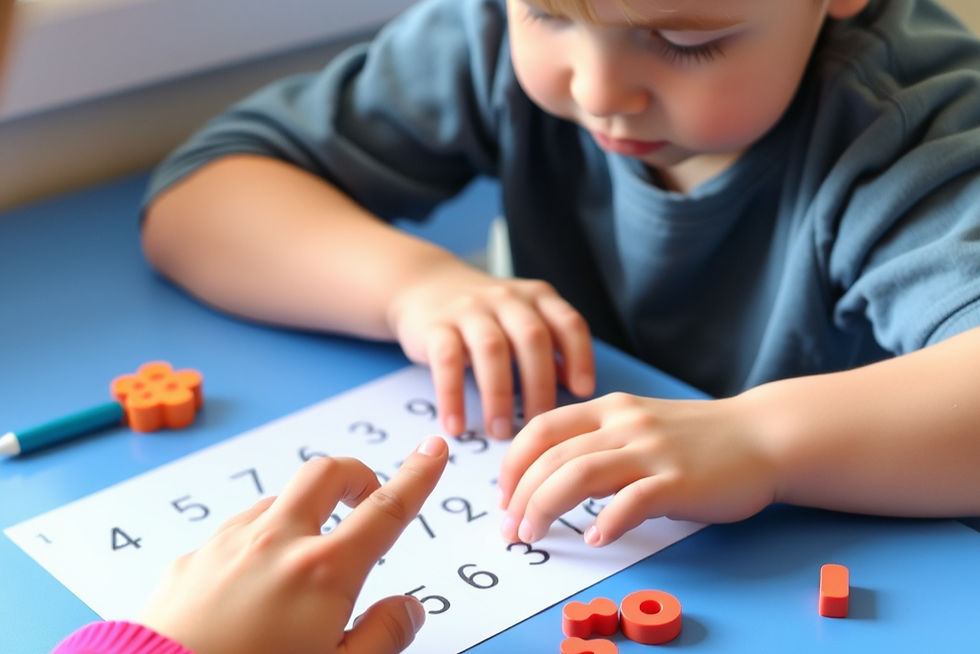
Use visual aids like number lines or counters initially.
Encourage a calm environment free from pressure.
Share stories of famous mathematicians who faced difficulties but succeeded through practice.
By addressing these challenges patiently, adults help children build confidence gradually. Also Read our Blogs on: Why Online Abacus Classes Are Growing in Popularity Can Mental Maths Improve Performance in School Exams? How Mental Maths Helps Children Solve Problems Faster
The Long-Term Impact of Mental Maths Confidence
Confidence in mental maths sets the stage for academic success and everyday problem-solving. Children who feel capable with numbers are more likely to:
Pursue STEM subjects with enthusiasm.
Handle financial literacy tasks as they grow older.
Approach challenges with a positive attitude.
This confidence also nurtures independence, as children rely on their skills rather than external help.


Comments