
Effective Parental Engagement Strategies in Education
When it comes to supporting our children’s learning, we all want to do the best we can. But sometimes, it’s tricky to know how to get involved in a way that truly helps. Engaging parents in education is more important than ever, especially with the rise of online classes. I’ve learned that when parents take an active role, children feel more motivated, confident, and ready to succeed. Let’s explore some practical ways to make parental engagement in Education a positive and rewarding experience for everyone.
Why Parental Engagement Strategies in Education Matter
Parental engagement is not just about attending school meetings or helping with homework. It’s about creating a partnership between parents, teachers, and children that supports learning every day. Research shows that children whose parents are involved in their education tend to perform better academically and develop stronger social skills.
In the world of online education, this connection becomes even more crucial. Without the physical presence of a classroom, parents often become the bridge between the teacher and the child. This means understanding how to support learning at home, encouraging good study habits, and communicating regularly with educators.
Here are some key reasons why parental engagement strategies are essential:
Boosts academic achievement: Children do better when parents show interest in their schoolwork.
Improves behaviour: Engaged parents help children develop discipline and responsibility.
Builds confidence: Kids feel supported and valued when parents are involved.
Strengthens communication: Regular contact with teachers helps parents stay informed and proactive.

Practical Parental Engagement Strategies for Online Learning
Getting involved in your child’s education doesn’t have to be overwhelming. With online classes, there are unique opportunities to engage in ways that fit your family’s schedule and lifestyle. Here are some practical strategies you can try:
1. Create a Dedicated Learning Space
Set up a quiet, comfortable area at home where your child can focus on their online lessons. This space should be free from distractions like TV or noisy siblings. Having a consistent spot helps children get into the right mindset for learning.
2. Establish a Routine
Children thrive on routine. Help your child stick to a daily schedule that includes time for classes, breaks, homework, and play. Consistency makes it easier to manage time and reduces stress.
3. Stay Informed and Communicate
Make it a habit to check in with teachers regularly. Many online platforms offer messaging or email options. Ask about your child’s progress and any areas where they might need extra support.
4. Encourage Active Participation
Motivate your child to ask questions during online classes and participate in discussions. This builds confidence and deepens understanding.
5. Use Technology Wisely
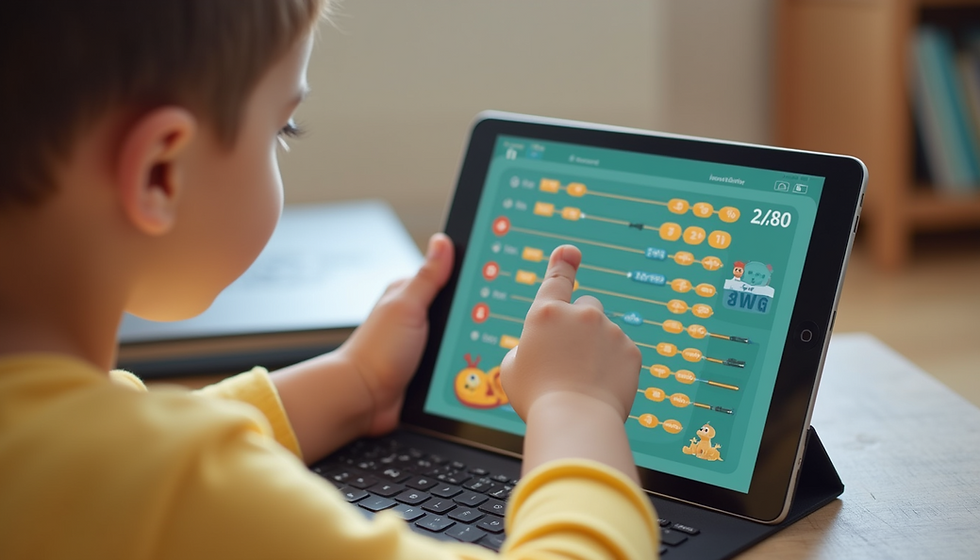
Explore educational apps and resources that complement your child’s lessons. These tools can make learning fun and interactive.
6. Celebrate Achievements
Recognise your child’s efforts and successes, no matter how small. Positive reinforcement encourages continued engagement and a love of learning.
By applying these strategies, you can create a supportive environment that enhances your child’s online education experience.
How to Improve Parental Involvement?
Improving parental involvement is a journey, not a one-time fix. It requires patience, openness, and a willingness to adapt. Here are some tips to help you deepen your involvement:
Listen and Observe
Pay attention to your child’s feelings about school and learning. Are they excited, frustrated, or bored? Understanding their emotions helps you provide the right kind of support.
Set Realistic Expectations
Every child learns at their own pace. Avoid putting too much pressure on grades or performance. Instead, focus on effort and progress.
Be a Role Model
Show your child that learning is valuable by engaging in your own educational activities. Read books, explore new skills, or discuss current events together.
Collaborate with Teachers
Work with educators to identify challenges and solutions. Teachers appreciate parents who are proactive and cooperative.
Encourage Independence
While support is important, it’s equally vital to let your child take responsibility for their learning. Guide them, but allow space for problem-solving and decision-making.
Join Online Parent Communities
Many schools and educational platforms offer forums or groups where parents can share experiences and advice. Being part of a community can provide motivation and new ideas.
Remember, improving parental involvement is about building a positive, ongoing relationship with your child’s education.

Overcoming Common Challenges in Parental Engagement
It’s normal to face obstacles when trying to engage more in your child’s education. Here are some common challenges and how to tackle them:
Time Constraints
Busy schedules can make it hard to stay involved. Try setting aside small, regular blocks of time for school-related activities. Even 15 minutes a day can make a difference.
Lack of Confidence
Some parents worry they don’t have the skills to help with schoolwork. Remember, your support and encouragement matter more than perfect knowledge. Don’t hesitate to ask teachers for guidance.
Technology Barriers
Not everyone is comfortable with digital tools. Take time to learn the basics of the online platforms your child uses. Many schools offer tutorials or help desks.
Communication Gaps
If you feel out of the loop, reach out to teachers or school staff. Clear communication is key to staying informed and involved.
Child Resistance
Sometimes children prefer to work alone or may resist parental help. Respect their independence but stay available and supportive.
By recognising these challenges and addressing them calmly, you can maintain a strong connection to your child’s education.
Making Learning Fun and Meaningful at Home
Engagement doesn’t stop when the online class ends. You can extend learning into everyday life in enjoyable ways:
Explore topics together: If your child is studying animals, visit a virtual zoo or watch documentaries.
Use games: Educational games can reinforce skills like math, reading, and problem-solving.
Encourage creativity: Drawing, writing stories, or building projects related to school subjects can deepen understanding.
Connect learning to real life: Cooking can teach measurements, while gardening can explain biology.
Celebrate cultural events: Use holidays and traditions to explore history and geography.
These activities show children that learning is everywhere and can be exciting. Also Read our Blogs on: Advantages of Online Abacus Learning The Power of Game-Based Education Strategies How Abacus Classes Foster Critical Skills in Kids
Engaging parents in Mental Maths education is a powerful way to support children’s growth and success. By using thoughtful parental engagement strategies in Education, staying involved, and making learning enjoyable, you can help your child thrive in their online classes and beyond. Remember, your involvement sends a strong message - that education matters and you are there every step of the way.


Comments