
The Power of Game-Based Education Strategies
When I first heard about using games to help children learn, I was curious but a little skeptical. How could playing games actually help my kids understand math, science, or language better? After diving into the world of game-based education strategies, I discovered that games are not just fun distractions. They are powerful tools that can transform the way children learn, especially in an online setting. Today, I want to share what I’ve learned about the power of game-based learning and how it can benefit your child’s education.
Why Game-Based Education Strategies Work So Well
Games naturally capture attention. They motivate kids to keep trying, even when the challenge is tough. This is because games provide instant feedback, clear goals, and rewards that make learning feel like an adventure rather than a chore. When children are engaged, they absorb information more deeply and remember it longer.
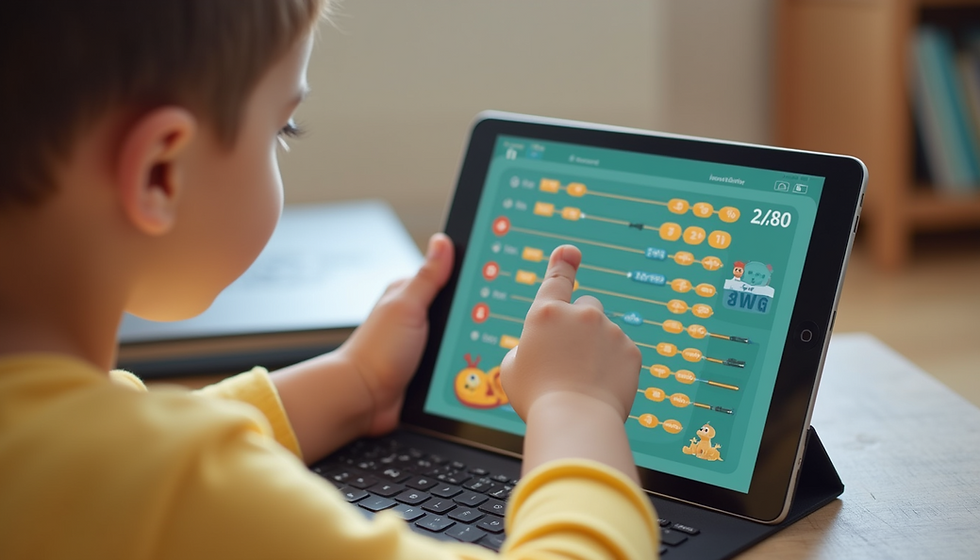
For example, imagine a maths game where your child has to solve puzzles to unlock new levels. Each puzzle builds on the last, encouraging problem-solving and critical thinking. The child isn’t just memorising facts; they’re applying concepts in a meaningful way. This kind of learning sticks.
Online classes that use game-based education strategies can also adapt to each child’s pace. If a concept is tricky, the game can offer hints or extra practice. If it’s easy, the child can move ahead without feeling bored. This personalised approach helps keep kids motivated and confident.

Exploring Different Game-Based Education Strategies
There are many ways to use games in education, and not all games are created equal. Here are some popular strategies that work well in online learning environments:
Simulation Games
These games mimic real-world scenarios. For example, a science simulation might let kids experiment with virtual chemicals or explore ecosystems. This hands-on experience helps children understand complex ideas by seeing them in action.
Puzzle and Problem-Solving Games
These encourage logical thinking and creativity. Games that require pattern recognition, sequencing, or strategy help develop cognitive skills that are useful across subjects.
Role-Playing Games (RPGs)
RPGs allow children to take on characters and make decisions that affect the story. This can improve empathy, communication, and decision-making skills.
Quizzes and Trivia Games
These are great for reinforcing facts and concepts. They add a competitive element that can motivate kids to study and review material.
Collaborative Games
Some games encourage teamwork and communication. These are especially valuable in online classes where social interaction might be limited.
By mixing these strategies, online educators can create rich, engaging lessons that appeal to different learning styles.
What is the difference between gamification and game-based learning?
It’s easy to confuse gamification with game-based learning, but they are quite different. Gamification means adding game-like elements to a non-game activity. For example, giving points or badges for completing homework is gamification. It makes the task more fun but doesn’t turn it into a game.
Game-based learning, on the other hand, uses actual games as the main method of teaching. The learning happens through playing the game itself. The game is designed with educational goals in mind, so kids learn by doing, exploring, and solving problems within the game world.
Understanding this difference helps parents and educators choose the right tools. While gamification can boost motivation, game-based learning offers deeper engagement and understanding.
How to Support Your Child’s Learning with Games at Home
If you want to bring the benefits of game-based education strategies into your home, here are some practical tips:
Choose age-appropriate games: Look for games designed for your child’s age group and skill level. This ensures the content is relevant and not too easy or too hard.
Set clear goals: Talk with your child about what they should learn from the game. This helps them focus and see the value in playing.
Balance screen time: While games are great learning tools, it’s important to balance them with other activities like reading, outdoor play, and family time.
Play together: Join your child in the game sometimes. It’s a fun way to bond and understand what they’re learning.
Encourage reflection: After playing, ask your child what they learned or what strategies they used. This reinforces the educational value.
Use online classes with game-based learning: Many online platforms now offer classes that integrate games into their lessons. These can provide structured, guided learning with expert support.

Why I Believe Game-Based Learning is the Future of Education
From my experience, game-based learning is more than just a trend. It’s a shift towards making education more interactive, personalised, and enjoyable. Kids today are digital natives. They understand technology intuitively and respond well to learning methods that use it creatively.
By embracing game-based education strategies, we can help children develop not only academic skills but also critical thinking, collaboration, and resilience. These are the skills they will need in the future, no matter what career they choose.
If you want to explore this approach further, consider enrolling your child in online classes that use game based learning. These classes combine expert teaching with the fun and engagement of games, making learning a positive experience. Also Read our Blogs on: Advantages of Online Abacus Learning Interactive Teaching Methods for Success: Engaging Your Child in Online Maths Learning
Remember, learning doesn’t have to be boring. With the right games and guidance, it can be an exciting journey that your child looks forward to every day.


Comments