
The Significance of Abacus Learning: Unlocking Your Child’s Potential
When I first heard about Abacus learning, I was curious but a little skeptical. How could moving beads on a frame help my child become better at maths? As I dug deeper, I discovered that Abacus learning is not just about beads and numbers. It’s a powerful tool that can boost mental skills, confidence, and even creativity. If you’re wondering whether this ancient tool has a place in today’s digital world, let me share what I’ve learned about the significance of Abacus learning and why it might be the perfect fit for your child.
The Significance of Abacus Learning for Young Minds
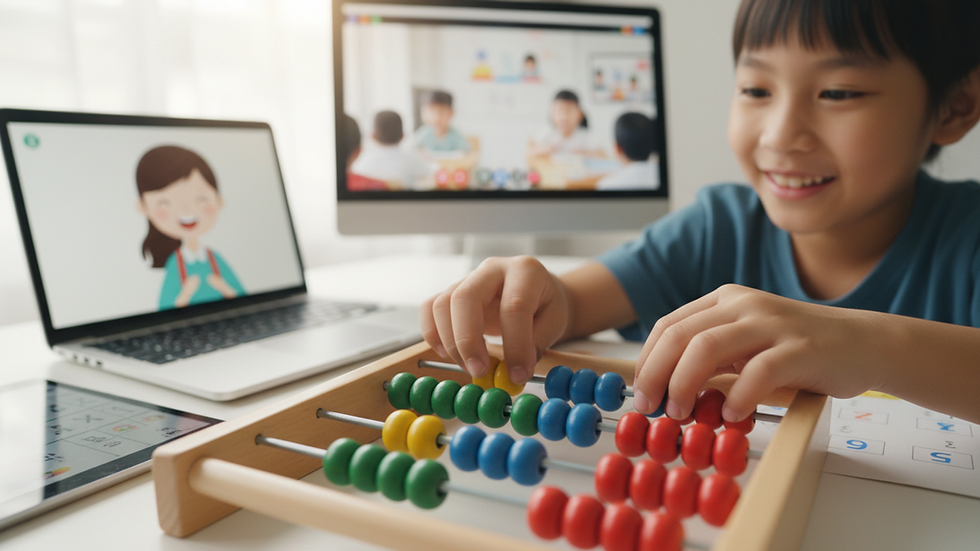
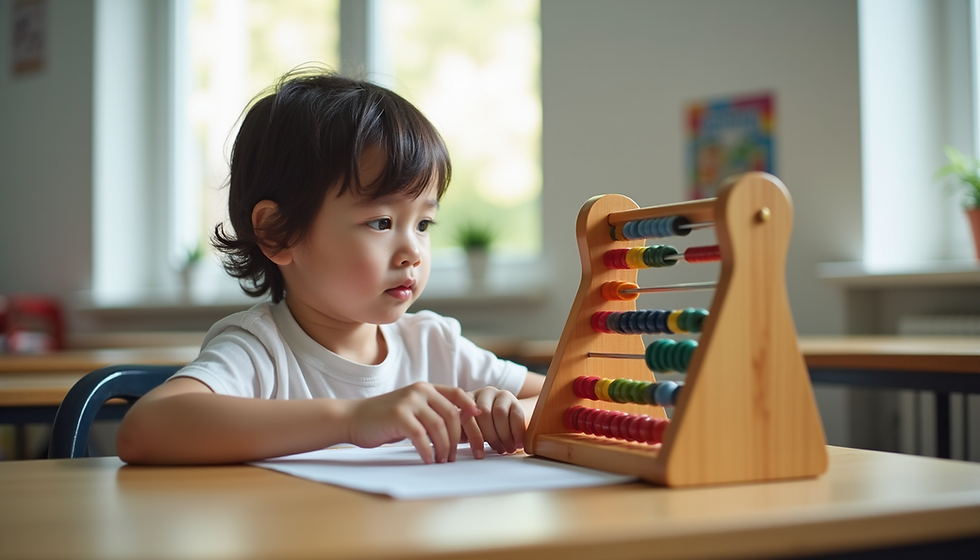
Abacus learning is more than just a way to do calculations. It’s a method that engages both sides of the brain, helping children develop a range of skills beyond maths. When kids use an Abacus, they physically move beads to represent numbers, which strengthens their understanding of numerical concepts. This hands-on approach makes abstract ideas concrete and easier to grasp.
One of the biggest benefits is improved concentration. As children focus on moving beads and solving problems, they learn to pay attention for longer periods. This skill naturally spills over into other areas of learning, like reading and writing. Plus, Abacus learning encourages mental discipline and patience, qualities that are valuable throughout life.
Another important aspect is confidence. When children master Abacus techniques, they often find maths less intimidating. This boost in self-esteem can motivate them to tackle more challenging subjects with enthusiasm.
How Abacus Learning Enhances Cognitive Development
The brain is like a muscle - the more you exercise it, the stronger it gets. Abacus learning provides a unique workout for the brain by combining visual, tactile, and mental activities. When children calculate using an Abacus, they visualize the beads in their mind even after the physical Abacus is put away. This mental imagery sharpens memory and spatial reasoning.
Studies have shown that children who practice Abacus techniques often perform better in problem-solving and logical thinking tasks. The process of moving beads and mentally calculating numbers activates both the left and right hemispheres of the brain. This balanced brain activity supports creativity and analytical thinking simultaneously.
Moreover, Abacus learning can improve speed and accuracy in calculations. This is especially helpful in school exams where quick mental maths can save precious time. The skills gained here are not just for maths tests but for everyday life too - from budgeting pocket money to measuring ingredients for a recipe.
Is Abacus Mental Maths Legit?
You might be wondering if Abacus mental maths really works or if it’s just a gimmick. The answer is a resounding yes! The effectiveness of Abacus mental maths has been backed by numerous educational studies and real-life success stories.
Children trained in Abacus mental maths often show remarkable improvements in their arithmetic skills. They learn to perform complex calculations mentally, without relying on calculators or pen and paper. This ability comes from visualising the abacus beads in their mind, a skill developed through consistent practice.
What’s more, Abacus mental maths is not limited to simple addition or subtraction. It covers multiplication, division, and even more advanced concepts as children progress. The method builds a strong foundation that supports future learning in maths and science.
The best part? This technique is accessible to children as young as five, making it an excellent early learning tool. With online classes, children can learn Abacus mental maths from the comfort of home, guided by experienced instructors who make the lessons fun and interactive.

Practical Tips for Supporting Your Child’s Abacus Learning Journey
If you’re considering enrolling your child in Abacus classes, here are some practical tips to make the experience rewarding:
Choose the Right Program - Look for online classes that offer structured lessons, qualified teachers, and interactive sessions. A good program will keep your child engaged and motivated.
Set a Routine - Consistency is key. Encourage your child to practice regularly, even if it’s just 15-20 minutes a day. Short, frequent sessions are more effective than long, infrequent ones.
Create a Comfortable Learning Space - Ensure your child has a quiet, well-lit area free from distractions. This helps them focus better during online classes.
Celebrate Progress - Recognise and praise your child’s efforts and achievements. Positive reinforcement boosts confidence and encourages continued learning.
Combine with Other Learning - Abacus skills complement other subjects. Encourage your child to apply mental maths in daily activities like shopping or cooking.
By supporting your child in these ways, you help them build a strong foundation not only in maths but in lifelong learning skills.
Why Online Abacus Classes Are a Great Choice
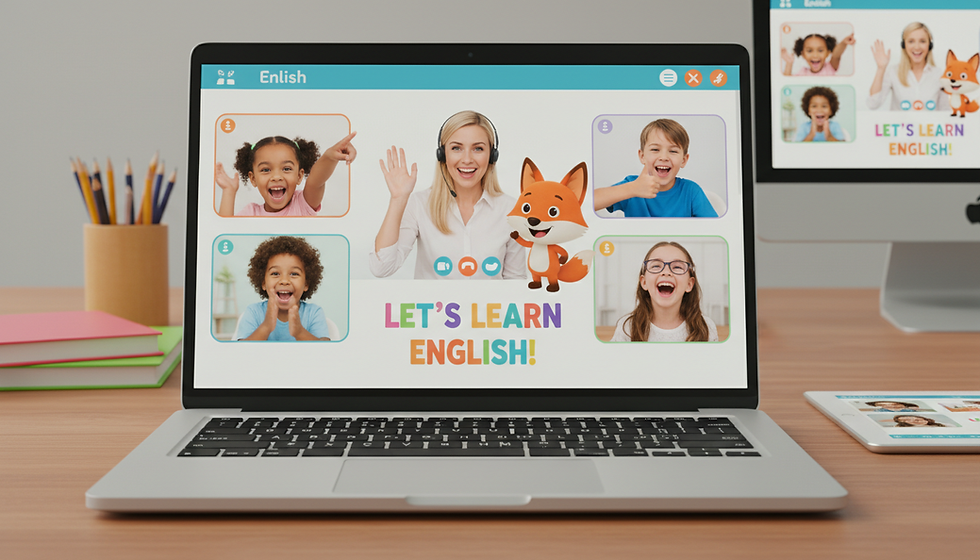
In today’s fast-paced world, online learning offers flexibility and convenience. Online Abacus classes allow children to learn at their own pace without the need to travel. This is especially helpful for busy families or those living in cities where commuting can be time-consuming.
Online classes also provide access to expert teachers who specialise in Abacus mental maths. Many platforms use interactive tools and games to make lessons enjoyable and effective. Plus, parents can easily track their child’s progress through regular updates and feedback.
Another advantage is the ability to learn in a safe, familiar environment. Children often feel more comfortable and confident learning from home, which can enhance their focus and participation.
If you want your child to develop strong mental maths skills and enjoy the learning process, online Abacus classes are an excellent option.
Unlocking Your Child’s Potential with Abacus Learning
Incorporating Abacus learning into your child’s education can open doors to improved academic performance and personal growth. The skills gained go beyond numbers - they nurture concentration, memory, confidence, and problem-solving abilities.
If you want to give your child a head start in maths and build a foundation for success, consider enrolling them in online Abacus classes. With the right support and practice, your child can master mental calculations and develop a love for learning that lasts a lifetime.
For more information on how to get started with Abacus mental maths, explore online courses designed specifically for children aged 5 to 14. It’s a smart investment in your child’s future that combines tradition with modern technology. Also Read Our Blogs on: The Ideal Age to Begin Online Abacus Classes for Children The Benefits of Abacus Education for Kids Unlocking the Power of Abacus Mental Maths Benefits for Kids
By embracing the significance of Abacus learning, you’re helping your child build essential skills in a fun and engaging way. The journey may start with beads and numbers, but it leads to a world of confidence and achievement.

Comments