
The Ideal Age to Begin Online Abacus Classes for Children
Choosing the right time to start online abacus classes can shape a child’s learning experience and cognitive development. Parents often wonder when their child is ready to begin this mental math journey. Starting too early might overwhelm the child, while starting too late could miss the window of maximum benefit. This post explores the best age to introduce children to online abacus classes, backed by practical insights and examples.

Why Age Matters for Abacus Learning
Abacus training is more than just learning to calculate; it improves concentration, memory, and visualization skills. The ideal age to start depends on a child’s cognitive readiness and attention span. Younger children have a natural ability to absorb new concepts quickly, but they also need lessons tailored to their developmental stage.
Children between the ages of 5 and 8 tend to benefit the most from abacus classes. At this stage, they have developed basic language and number recognition skills, which are essential for understanding abacus operations. Their brains are highly adaptable, making it easier to develop mental calculation skills that will serve them well in school and beyond.
Signs Your Child Is Ready for Online Abacus Classes
Before enrolling your child, look for these indicators of readiness:
Interest in numbers and counting: If your child enjoys playing with numbers or simple math games, they are more likely to engage with abacus lessons.
Ability to focus for 20-30 minutes: Online classes require a certain level of attention. Children who can sit through short lessons without distraction will get more from the sessions.
Basic understanding of addition and subtraction: Familiarity with simple math concepts helps children grasp abacus techniques faster.
Comfort with screen time: Since classes are online, children should be comfortable interacting with a teacher through a screen.
If your child meets these criteria, starting abacus classes can be a smooth and rewarding experience.
Benefits of Starting Abacus Classes Early
Starting abacus classes at the right age offers several advantages:
Improved mental math skills: Early learners develop the ability to perform calculations quickly without relying on calculators.
Enhanced concentration: Regular practice with the abacus sharpens focus and attention span.
Better memory retention: Visualizing numbers on the abacus strengthens memory pathways.
Boosted confidence: Mastering mental math builds self-esteem and encourages a positive attitude toward learning.
For example, a 6-year-old who begins abacus training can often perform addition and subtraction mentally by the end of the first few months, which supports their school curriculum and daily problem-solving.
How Online Classes Adapt to Different Ages
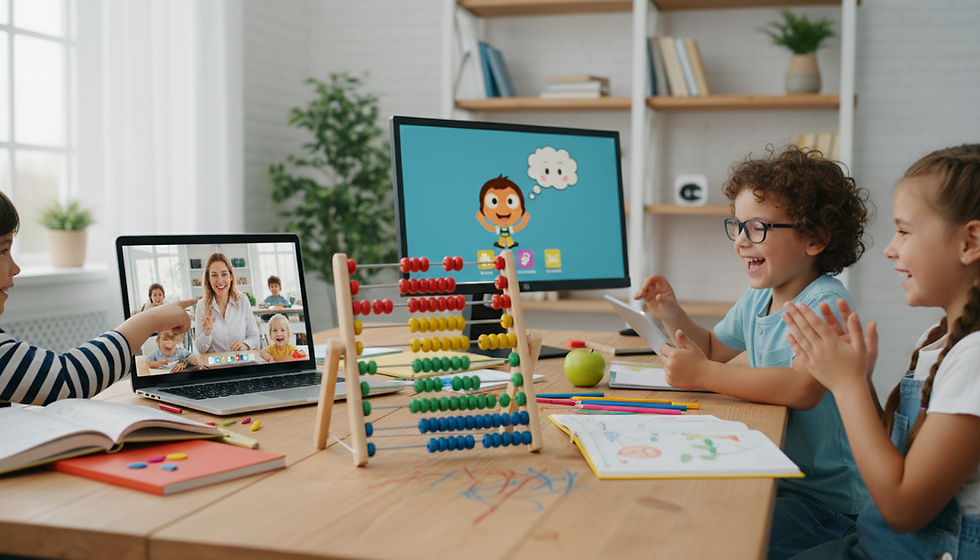
Online abacus classes offer flexibility to suit various age groups. For younger children (ages 5-6), lessons often include:
Interactive games and activities
Short, engaging sessions
Use of colorful visuals and animations
For older children (ages 7-10), classes focus more on:
Advanced calculation techniques
Speed and accuracy drills
Mental visualization exercises
This age-specific approach ensures children stay motivated and learn effectively without feeling overwhelmed.

Tips for Parents to Support Online Abacus Learning
Parents play a key role in helping children succeed in online abacus classes. Here are some practical tips:
Create a quiet learning space: Minimize distractions during class time to help your child focus.
Set a regular schedule: Consistency helps build a routine and reinforces learning.
Encourage practice: Short daily practice sessions improve retention and skill development.
Stay involved: Show interest in your child’s progress and celebrate milestones.
Communicate with instructors: Keep in touch with teachers to understand your child’s strengths and areas for improvement.
By supporting your child’s learning environment, you enhance the benefits of abacus training.
When to Wait Before Starting Abacus Classes
Some children may not be ready for abacus classes at a very young age. Signs that your child might need to wait include:
Difficulty focusing for even short periods
Lack of interest in numbers or math activities
Struggles with basic counting or number recognition
In such cases, it’s better to build foundational skills through play and simple math games before introducing formal abacus lessons. Starting too early without readiness can lead to frustration and loss of interest.
Final Thoughts on Starting Age for Online Abacus Classes
The best age to start online abacus classes is generally between 5 and 8 years old, when children have the right mix of cognitive skills and curiosity. Starting at this age helps children develop strong mental math abilities, concentration, and confidence that benefit their overall learning.
Also Read our Blog on:
The Benefits of Abacus Education for Kids: Unlocking Abacus Mental Maths Benefits
Why Mental Maths Skills Are Important for Kids in 2026
7 Signs Your Child Needs Abacus Training
Parents should observe their child’s readiness and choose programs that match their developmental stage. With the right timing and support, online abacus classes can become a valuable tool for building lifelong math skills.

Comments