
How English Tuition Can Help Your Child Build Confidence in Reading and Writing
A child who says “I’m bad at English” often does not lack ability. More often, they lack a few missing building blocks, enough practice at the right level, or the confidence to try without fear of getting it wrong.
Reading and writing are deeply personal skills. A child has to decode words, understand meaning, organise thoughts, spell accurately, use punctuation, and then share ideas on the page. When one part feels hard, the whole task can become stressful. That is where English tuition can make a real difference.
Good tuition gives children time, structure, and encouragement. It helps them see progress in small, steady steps. Over time, those steps can change how a child approaches books, writing tasks, homework, and classroom discussions.

Confidence grows when learning feels personal
In a busy classroom, teachers work hard to support every pupil. Even so, some children need more time to ask questions, practise aloud, or revisit topics that others seem to have mastered. Personalised attention gives them that space.
One-to-one or small-group tuition allows a tutor to notice the details that can easily slip by. A child might read fluently but miss the meaning of what they read. Another may have strong ideas but struggle to get them down in sentences. Some children can write well when speaking their ideas first, while others need visual prompts, sentence starters, or a clearer plan.
Personal attention helps because the tutor can adjust the lesson in the moment. If a child hesitates over unfamiliar words, the tutor can pause and practise phonics, syllables, or context clues. If a child writes short, simple sentences, the tutor can model how to expand them using adjectives, conjunctions, or precise verbs.
This matters for confidence. Children often feel more willing to take risks when they know the work has been matched to them. They are not being rushed through a worksheet that feels too hard or held back by tasks that feel too easy.
A personalised approach might include:
reading short texts that match the child’s current level and interests
building vocabulary around topics they enjoy
breaking writing tasks into planning, drafting, editing, and improving
giving immediate feedback while the work is still fresh
revisiting tricky skills in different ways until they stick
The aim is not to make everything easy. The aim is to make learning feel possible.
Confidence in English often starts with one simple shift: “I can’t do this” becomes “I can do the next step.”
Tailored learning plans turn gaps into clear goals
A strong learning plan gives tuition direction. It starts with understanding what the child can already do, then identifies the next useful steps. Without a plan, tuition can become a series of disconnected activities. With a plan, each lesson builds towards greater independence.
For reading, a tailored plan might focus on:
decoding longer words
reading with expression
understanding inference
summarising key points
discussing characters, themes, and author choices
For writing, it might focus on:
sentence structure
paragraphing
spelling patterns
punctuation
planning stories or essays
improving vocabulary
checking and editing work
A child in Year 3 may need help moving from simple sentences to more detailed paragraphs. A pupil in Year 6 may need to build confidence with comprehension questions before SATs. A secondary school student may need support analysing texts or structuring longer answers. The best plan reflects the child’s age, school expectations, and current confidence.
This is where English tuition classes for kids can be especially useful when they are carefully matched to each learner. The most effective lessons do not simply repeat schoolwork. They fill gaps, strengthen core skills, and help children apply what they learn in school with more confidence.
A tailored plan also makes progress easier to see. Children benefit from noticing improvement, even when it is small. A tutor might say:
“Last month you needed help starting every paragraph. Today you planned three on your own.”
“You used to skip tricky words. Now you stop, break them down, and try again.”
“Your spelling of past tense words is much more consistent this week.”
Those moments matter. They show children that progress is real, not just something adults talk about.
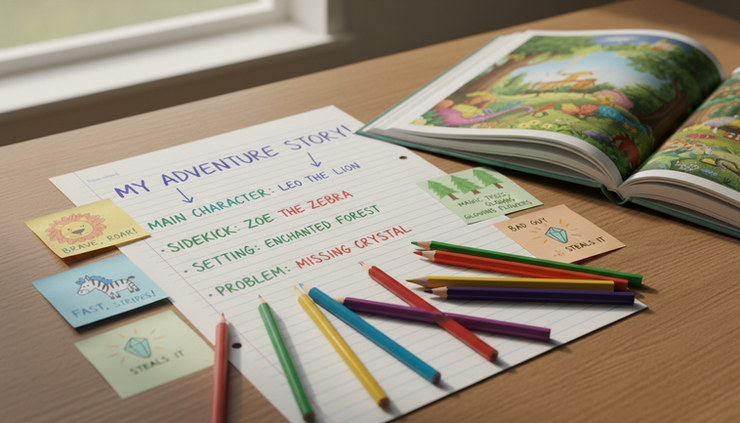
Engaging teaching methods in English Tuition make reading and writing less intimidating
Children learn best when they feel involved. A worksheet has its place, but confidence often grows faster when lessons include discussion, choice, creativity, and movement between different types of activity.
Good tutors make English feel active. They show children that reading is not only about saying words correctly, and writing is not only about avoiding mistakes. Both are ways to understand, imagine, explain, and connect ideas.
Shared reading builds fluency and understanding
Shared reading is simple but powerful. The tutor and child read a text together, pausing to discuss what is happening and why. The tutor may read a paragraph first to model expression, then invite the child to read the next part.
This method helps children hear what fluent reading sounds like. It also reduces pressure. If the child gets stuck, support is immediate and calm.
A tutor might ask:
“What do you think the character is feeling here?”
“Which word tells us the mood has changed?”
“What might happen next, and what clues helped you decide?”
These questions help a child move beyond decoding into comprehension. They also show that their ideas are valued.
Games make grammar and vocabulary stick
Many children switch off when grammar feels like a list of rules. Games can change that. A tutor might use sentence cards, word sorting, punctuation races, or “improve this sentence” challenges.
For example, a child could start with this sentence:
“The dog ran.”
Then improve it step by step:
“The muddy dog ran across the field.”
“The muddy dog sprinted across the field as thunder rumbled overhead.”
This type of activity teaches English grammar in context. The child sees how choices affect meaning. They also get quick wins, which can be very motivating.
Talk before writing helps ideas flow
Some children freeze when faced with a blank page. They may have ideas, but writing them straight away feels too much. Talking first can remove that block.
A tutor might ask the child to explain their story idea aloud, describe a character, or argue a point before writing. The tutor can then help turn spoken ideas into notes, a mind map, or a simple paragraph plan.
This method works well because writing has many steps. Children need to think of ideas, organise them, choose words, spell, punctuate, and check. Speaking first lightens the load.
Feedback becomes part of the lesson
Feedback should not feel like a list of faults at the end. In effective tuition, feedback happens throughout the lesson.
A tutor might praise a strong verb, point out a missing full stop, or ask the child to read a sentence aloud to hear where it needs changing. The child learns to edit without feeling criticised.
Over time, they begin to ask better questions of their own work:
“Does this sentence make sense?”
“Have I explained my idea clearly?”
“Can I choose a more precise word?”
“Have I checked my punctuation?”
That is a key sign of growing confidence. The child no longer waits for an adult to find every mistake. They start to take ownership.

Supportive environments help children take risks
Confidence needs safety. A child who expects criticism may avoid reading aloud, write as little as possible, or say “I don’t know” before trying. A supportive learning environment changes that pattern.
Support does not mean lowering expectations. It means creating the right conditions for effort. Children can handle challenge when they feel respected and understood.
A supportive tutor will:
give praise that is specific, not vague
correct mistakes without embarrassment
allow thinking time
celebrate effort and strategy
explain that mistakes are part of learning
keep lessons calm and predictable
For example, instead of saying “Good job” after every sentence, a tutor might say, “That opening sentence works well because it makes me want to know what happens next.” Specific praise helps children recognise what they did well, so they can repeat it.
When a mistake appears, the tutor can respond with curiosity rather than frustration. “Let’s look at that word again” feels very different from “You should know this.” The first response invites learning. The second can shut it down.
Parents and carers can support this at home too. Reading together for ten minutes, talking about books, praising effort, and letting children see adults read for pleasure all help. The goal is to make English feel like part of everyday life, not just a school subject.
Small routines can work well:
keep a book in the car or bag for waiting times
ask children to choose between two reading options
use audiobooks alongside printed books
encourage short diary entries, postcards, or comic strips
read instructions, recipes, signs, and menus together
Not every child will become an eager reader overnight. That is fine. Confidence grows through repeated positive experiences.
Realistic success stories show what progress can look like
Every child’s journey is different, but the patterns are often similar. When tuition is consistent, personal, and encouraging, children begin to see themselves differently.
A reluctant reader begins to read aloud
One child in lower Key Stage 2 avoided reading aloud whenever possible. They could decode simple texts but became anxious when faced with longer words. During tuition, the tutor used short adventure stories, repeated reading, and word-breaking strategies.
At first, the child read only a few lines at a time. The tutor praised careful attempts and helped them spot patterns in words. After several weeks, the child began volunteering to read short sections. Their pace improved, but the bigger change was their attitude. They no longer saw every unfamiliar word as proof they were failing.
A creative thinker learns to organise writing
Another child had vivid story ideas but struggled to write them clearly. Their work jumped from one event to another, with little punctuation. The tutor introduced story maps, oral rehearsal, and paragraph frames.
The child learned to plan a beginning, middle, and ending before writing. They practised saying each sentence aloud before putting it on paper. Over time, their stories became easier to follow. They still needed reminders, but they felt proud of their ideas because readers could finally understand them.
A secondary pupil gains confidence with analysis
A pupil in early secondary school found literature questions intimidating. They often wrote one-sentence answers and avoided explaining their opinions. Tuition focused on short extracts, guided annotation, and simple answer structures.
The tutor showed them how to choose a quotation, explain its meaning, and link it to the question. They practised with manageable chunks of text rather than whole chapters at once. As confidence grew, their answers became longer and more thoughtful.
These examples are not about instant transformation. They show something more useful: steady progress. Confidence builds when children experience success often enough to believe it can happen again.

Frequently Asked Questions
How quickly can tuition improve a child’s confidence?
Some children feel more confident after just a few positive lessons, especially if they have been anxious or discouraged. Skill development usually takes longer. Regular practice over a term often gives a clearer picture of progress.
Is tuition only for children who are behind at school?
No. Tuition can support children who are struggling, but it can also stretch confident readers and writers. Some children use tuition to prepare for school transitions, exams, or more advanced writing tasks.
What age is best to start English support?
There is no single best age. Support can help when a child shows signs of frustration, avoids reading or writing, loses confidence, or needs extra challenge. Early help can prevent small gaps from becoming bigger ones.
How can parents help between lessons?
Short, regular practice works best. Read together, talk about stories, encourage writing for real purposes, and praise specific effort. Keep it calm and manageable, so English does not become a source of pressure.
What should a good tutor focus on first?
A good tutor should first understand the child’s current skills, confidence, and learning style. From there, they can build a plan that targets the most useful next steps in reading, writing, vocabulary, and comprehension.
The takeaway for building lasting confidence
Reading and writing confidence does not come from pressure. It comes from the right mix of challenge, support, practice, and encouragement. When children receive personal attention, follow a clear learning plan, and learn in a safe environment, they begin to trust their own ability.
The best tuition helps children do more than complete tasks. It helps them understand how they learn, how to improve, and how to keep going when something feels difficult. Also Read Our Blogs on: Year 1 to Year 8 English Tuition Skills Every Child Should Develop How English Tuition Supports KS1 KS2 and KS3 Skills Confidence and Progress Does Your Child Need English Tuition 7 Signs to Watch For
For families looking for structured support in the UK, explore English tuition for kids to see how focused teaching can help children grow into more confident readers and writers.


Comments